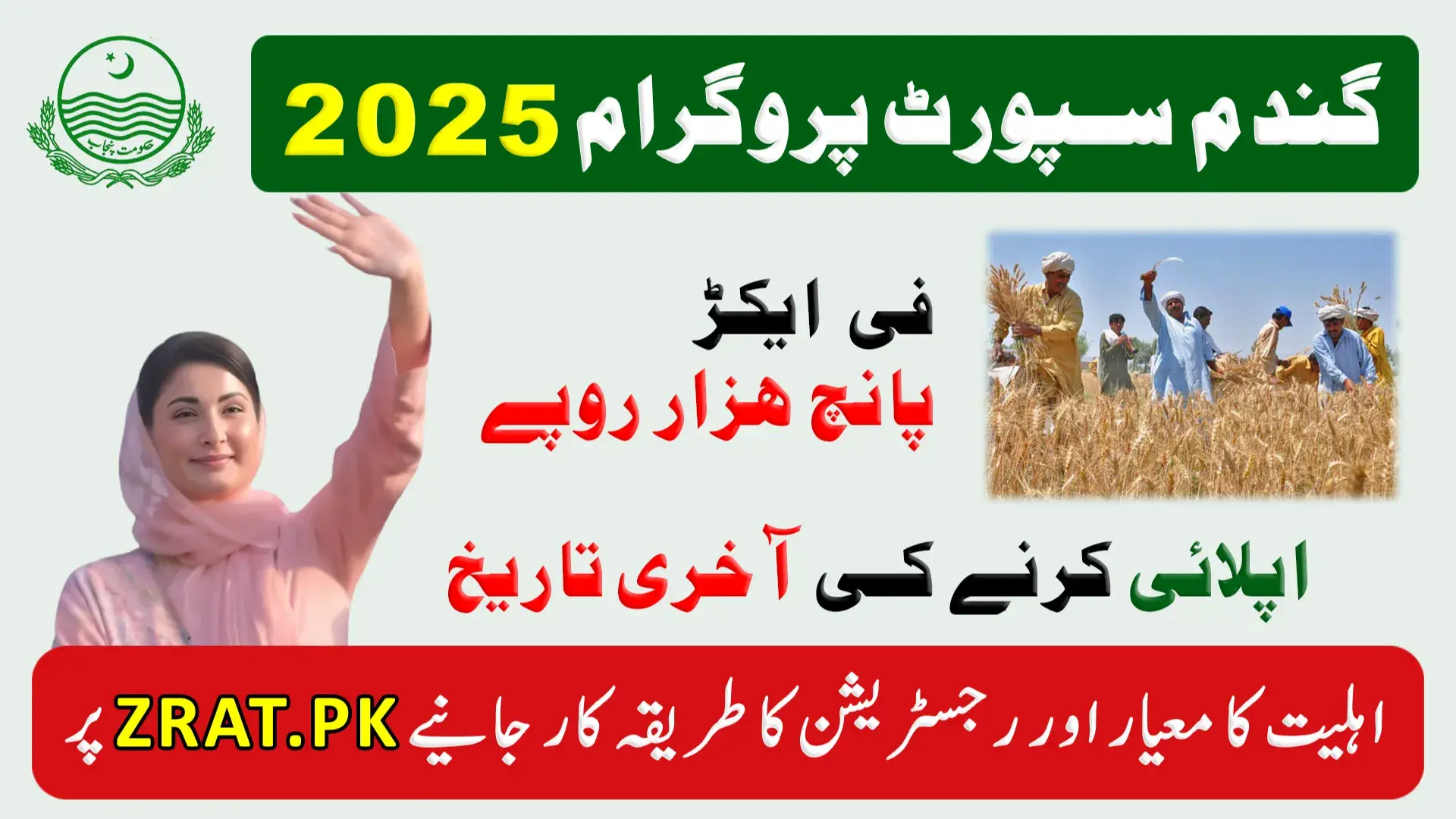
Punjab Cabinet Approves Key Reforms to Support Wheat Farmers and Boost Agricultural Growth
In a recent meeting of the Punjab Cabinet, chaired by Maryam Nawaz, crucial decisions were made to support wheat farmers and ensure the sustainable growth of the agricultural sector. These decisions aim to address issues like wheat procurement, support for farmers, and the regulation of the wheat sector to protect both growers and the economy.

کسانوں کو گندم کی بہتر قیمت دلوانے کے لیے مارکیٹ کو آزاد (ڈی ریگولیٹ) کر دیا گیا تاکہ مڈل مین کا کردار کم ہو اور کسان کو سیدھا فائدہ ملے۔
فلور ملز پر لازم ہو گا کہ وہ اپنی 25٪ گندم مقامی کسانوں سے خریدیں تاکہ کسانوں کی پیداوار کی فوری خریداری یقینی ہو اور قیمتوں میں استحکام آئے۔ خلاف ورزی پر فلور مل کا لائسنس منسوخ ہو سکتا ہے۔
پندرہ لاکھ مزدوروں اور غریب خاندانوں کو سستا آٹا دینے کے لیے راشن کارڈ دیے جائیں گے تاکہ وہ آسانی سے گندم حاصل کر سکیں۔
الیکٹرانک گودام سسٹم لایا جا رہا ہے، جس میں کسان اپنی گندم محفوظ طریقے سے رکھ سکیں گے، اور حکومت اس کے اخراجات برداشت کرے گی۔ اس سے گندم خراب نہیں ہوگی اور بہتر قیمت پر فروخت ممکن ہو گی۔
Also Read: Government Bans Private Wheat Imports in 2025 to Protect Local Farmers
Key Highlights of the Punjab Cabinet’s Decisions
De-Regulation of the Wheat Sector:
The Punjab Cabinet approved the de-regulation of the wheat sector to protect the rights of wheat farmers. This move will help ensure that the market operates more efficiently and that farmers can sell their wheat at fair prices, reducing middlemen’s control over pricing.
- Why this matters: Farmers often face challenges in securing reasonable prices for their produce, especially when there is a lack of government support mechanisms. De-regulation allows market forces to dictate prices, promoting a more transparent and farmer-friendly system.
پنجاب کابینہ نے گندم کے شعبے کو آزاد (ڈی ریگولیٹ) کرنے کی منظوری دی ہے تاکہ کسانوں کو منصفانہ قیمت مل سکے اور مڈل مین کا اثر کم ہو جائے۔ اس اقدام سے مارکیٹ کی کارکردگی بہتر ہو گی اور کسان اپنی گندم براہ راست فروخت کر سکیں گے، جس سے قیمتوں میں شفافیت آئے گی اور کسانوں کے حقوق کا تحفظ ہو گا۔ یہ فیصلہ گندم کی قیمتوں میں استحکام لائے گا اور کسانوں کو بہتر مالی فوائد پہنچائے گا۔
25% Wheat Procurement from Flour Mills:
In a significant decision, the Cabinet also mandated that flour mills must ensure the procurement of 25% of wheat from local farmers. This move is aimed at creating a direct link between farmers and flour mills, ensuring that farmers have a consistent market for their wheat.
- Impact on farmers: This ensures that local farmers will have a guaranteed buyer for at least a quarter of their wheat produce, stabilizing their income and reducing the risk of price manipulation by large traders.
- What happens if mills don’t comply? Flour mills failing to comply with this requirement may face serious consequences, including the cancellation of their licenses.
Wheat Ration Cards for 1.5 Million Workers and Laborers:
The government has also introduced an initiative to provide ration cards to 1.5 million workers and laborers. This decision is part of the Punjab government’s efforts to provide essential food supplies to the working class, ensuring that they have access to basic commodities like wheat.
- Why is this important? This initiative aims to help workers who struggle to afford basic necessities by providing them with discounted or subsidized wheat. It is a significant step toward social welfare, especially in challenging economic times.
Electronic Warehouse Receipt System (EWR):
The Punjab Cabinet also approved the introduction of an electronic warehouse receipt system. This system will allow farmers to store their wheat in electronic warehouses, with the government covering the associated costs. This system aims to improve storage facilities for wheat, reduce wastage, and ensure better quality control.
- Benefits for farmers: With electronic warehouses, farmers can safely store their wheat, avoiding spoilage and benefiting from better prices when they choose to sell. The government’s support in covering costs ensures that farmers aren’t burdened with additional financial strain.
The Importance of These Decisions for Punjab’s Agricultural Future
These steps, taken by the Punjab Cabinet, are pivotal in strengthening the agricultural economy of Pakistan, particularly in Punjab, which is the country’s wheat-growing heartland. The support for farmers, through measures like wheat procurement from mills and the electronic warehouse receipt system, aims to create a more stable and profitable environment for wheat production.
The Impact on Wheat Prices and Farmers:
By ensuring the procurement of wheat from local mills, the government helps stabilize wheat prices, protecting both consumers and farmers from sudden price hikes. The support for small-scale farmers ensures that they remain integral to the market and can continue contributing to the country’s food security.
- Long-term benefits: These reforms can boost wheat production in Punjab, reduce dependency on imported wheat, and ultimately benefit the economy by improving agricultural output.
FAQS
What is the new regulation for wheat procurement in Punjab?
The Punjab Cabinet has mandated that flour mills must purchase at least 25% of their wheat from local farmers to ensure a steady market for wheat growers.
How will the electronic warehouse system help farmers?
The new system will allow farmers to store wheat safely in electronic warehouses, reducing the risk of spoilage and ensuring better prices when they sell their wheat. The government will bear the costs of storage.
Who will benefit from the wheat ration cards?
The wheat ration cards will be provided to 1.5 million workers and laborers, helping them access affordable wheat and support their families.
Why is the de-regulation of the wheat sector important?
De-regulation will help eliminate the control of middlemen, ensuring farmers receive fair prices for their produce and promoting a more efficient and transparent market.