Government Bans Private Wheat Imports in 2025 to Protect Local Farmers
In a crucial move aimed at stabilizing the agricultural economy, the federal government of Pakistan has officially decided not to allow wheat imports by the private sector in 2025. This decision comes in the wake of promising wheat harvest forecasts and large existing stockpiles, prompting concerns that foreign imports could devastate already struggling local farmers.

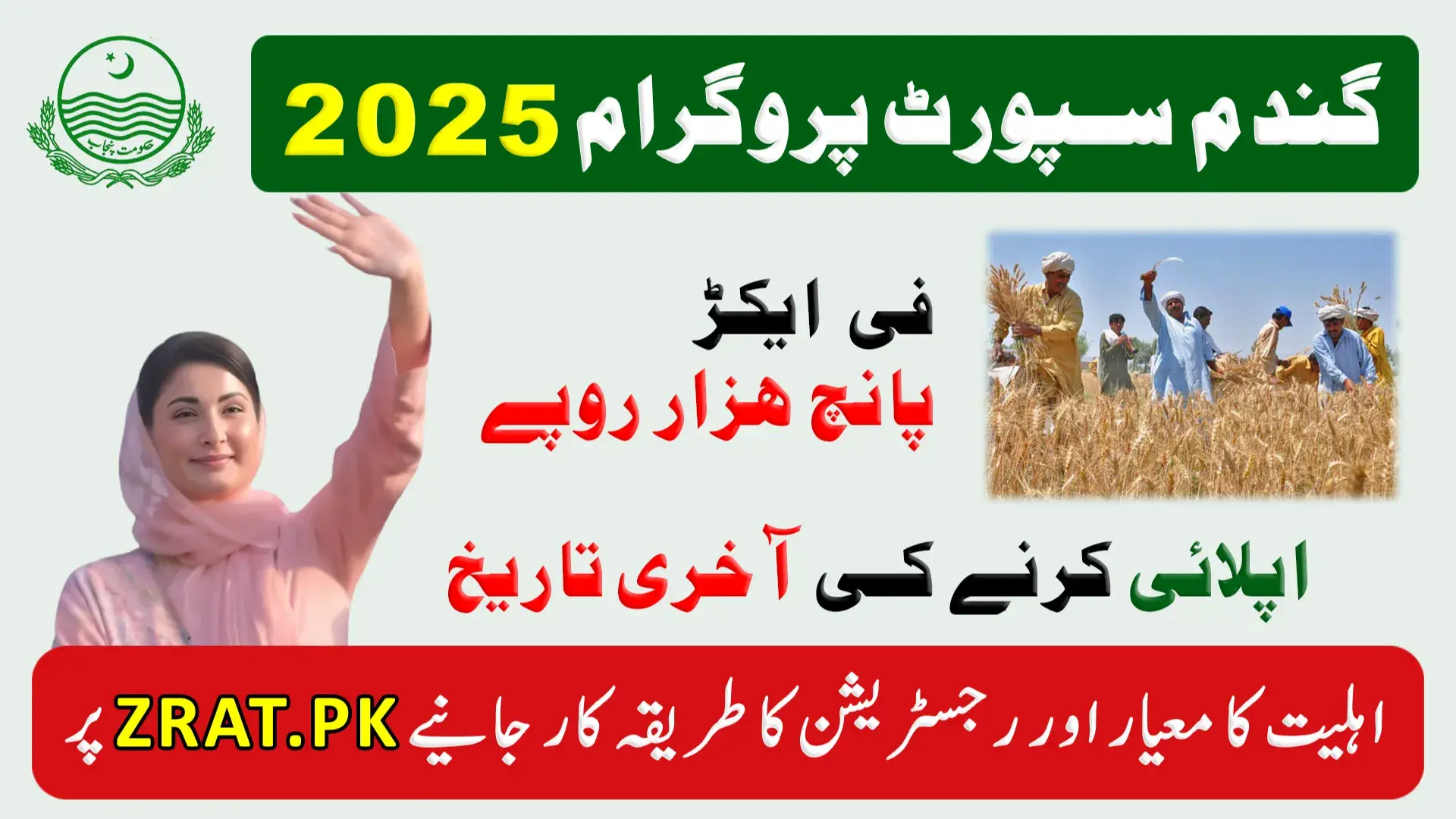
وفاقی حکومت نے فیصلہ کیا ہے کہ 2025 میں نجی شعبے کو گندم درآمد کرنے کی اجازت نہیں دی جائے گی۔ یہ قدم ملک میں وافر پیداوار، پرانی ذخیرہ شدہ گندم کی موجودگی، اور کسانوں کو درپیش نقصان کے پیش نظر اُٹھایا گیا ہے۔ اس فیصلے کا مقصد مقامی کسانوں کو بچانا اور گندم کی قیمتوں کو استحکام دینا ہے۔
EWR کسانوں کا احتجاج: کسانوں نے حکومت سے شکایت کی ہے کہ انہیں نقصان ہو رہا ہے، اور
جیسے پروگراموں کی نہ تو مناسب آگاہی ہے اور نہ ہی اس تک رسائی۔
موجودہ حالات: گندم کی قیمت فی من 2,000 سے 2,500 روپے ہے، جب کہ پیداوار کی لاگت 3,500 روپے سے زائد ہے، جس کے باعث کسانوں کو فی من 500 سے 1,200 روپے تک کا نقصان ہو رہا ہے۔
ذخائر کی صورتحال: سرکاری گوداموں میں 50 لاکھ ٹن سے زائد گندم پہلے سے موجود ہے، اس لیے نئی درآمد کی کوئی ضرورت نہیں۔
Also Read: Wheat Crop Fires in Punjab
Why Has the Government Banned Wheat Imports?
The decision was taken during a recent meeting of the Wheat Board, which included representatives from the federal government, all four provinces, and key stakeholders from the agricultural and food sectors. After detailed discussions, authorities concluded that wheat imports were not necessary this year.
Strong domestic harvest: All provincial reports indicate that the 2025 wheat harvest is coming in strong and in surplus.
No shortage risk: There is no threat of wheat shortage in the market according to federal monitoring agencies.
Massive carryover stock: Government storage facilities are already holding over 5 million tonnes of surplus wheat.
Market protection: Allowing imports in this scenario would result in even lower prices, harming local farmers who are already selling below production cost.
Also Read: Punjab Cabinet Approves Key Reforms to Support Wheat Farmers and Boost Agricultural Growth
Impact on Local Farmers
Local farmers are facing severe financial stress due to the sharp drop in wheat prices. Currently, wheat is being sold at Rs. 2,000 to Rs. 2,500 per maund, while the cost of production exceeds Rs. 4,000 per maund. Farmers are incurring losses ranging from Rs. 500 to Rs. 1,200 per maund, depending on whether the land is owned or leased.
During the Wheat Board meeting, farmer representatives strongly protested, raising concerns about:
Financial losses
Lack of awareness around digital platforms like the EWR (Electronic Wheat Registration) system
Inadequate government support
They demanded that the government increase awareness and accessibility of such programs for small and medium-sized farmers.
What About Wheat Exports?
While import restrictions have been confirmed, the Wheat Board is still considering the option of exporting wheat or wheat-based products later in the year. However, this will depend on the final assessment of the local harvest, which is still underway.
FAQs
Why did the government ban wheat imports?
The government banned wheat imports to protect local farmers from market collapse, as the country already has a strong harvest and enough stockpiled wheat.
How much wheat is in surplus right now?
Government godowns are currently storing more than 5 million tonnes of wheat in surplus.
Will wheat be exported from Pakistan in 2025?
This is still under consideration. The government will make a decision after evaluating the final wheat production figures.
What is EWR?
EWR stands for Electronic Wheat Registration, a government program aimed at digitizing wheat procurement and support. However, small farmers claim they haven’t been properly informed or trained on how to use it.
Why are farmers protesting?
Farmers are facing significant financial losses due to low market prices and limited government intervention. They are also struggling with the lack of access and understanding of new digital systems like EWR.