Electronic Warehouse Receipt EWR System Empowering Wheat Farmers in 2025
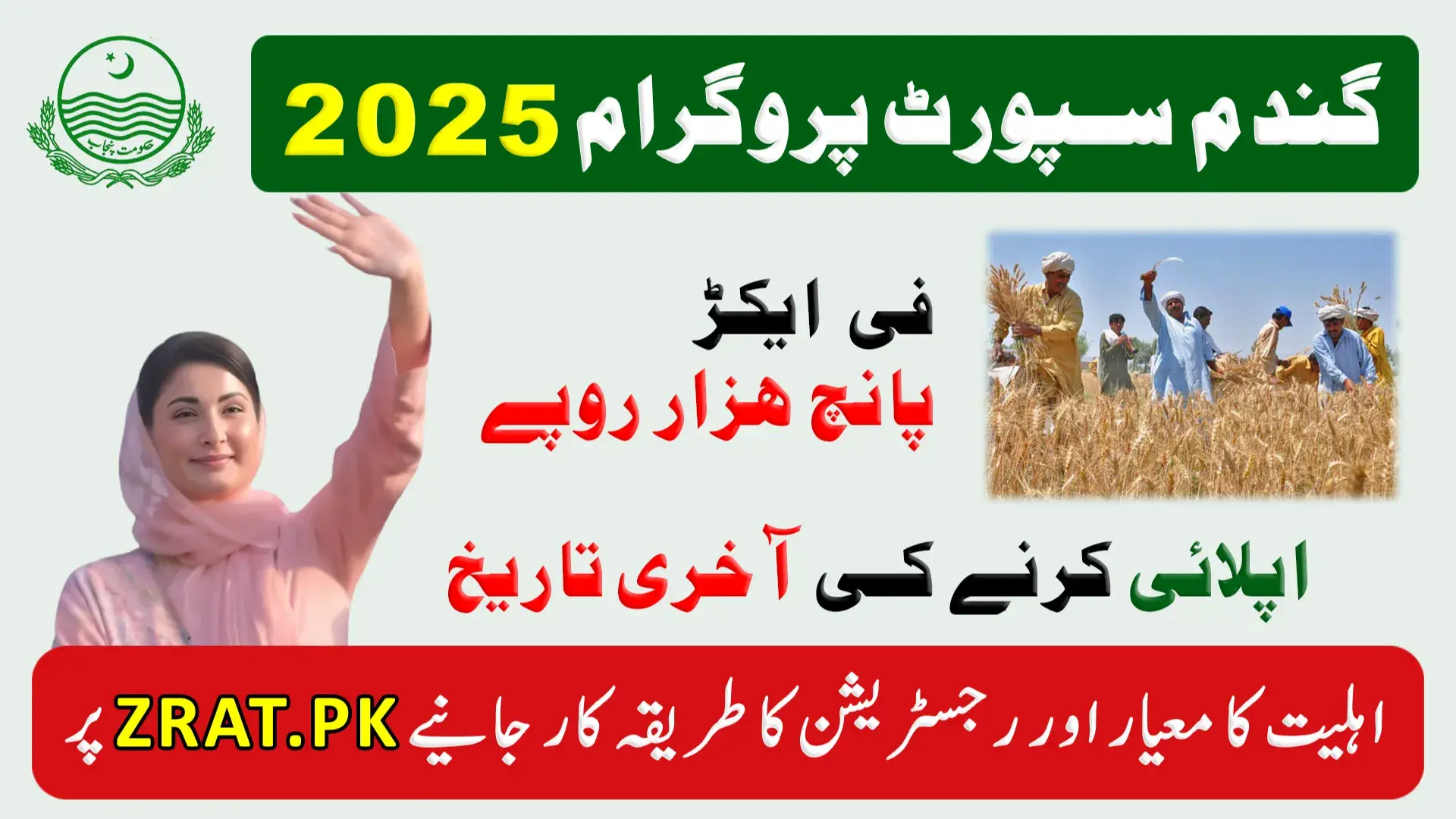
In April 2025, Punjab Chief Minister Maryam Nawaz approved the Electronic Warehouse Receipt (EWR) system to revolutionize wheat procurement. This system, part of a historic Rs. 15 billion wheat support package, aims to make farming easier and more profitable. It helps farmers store wheat safely, access loans, and avoid market losses. A steering committee, led by the Finance Minister, ensures the system works smoothly by reporting daily to the Chief Minister.

What Is the Electronic Warehouse Receipt (EWR) System?
The EWR system is a digital tool that lets farmers store wheat in government warehouses for free for up to four months. After storing their grain, farmers receive an electronic receipt. This receipt acts like a bank document, allowing farmers to get loans worth up to 70% of their wheat’s value within 24 hours. The system protects wheat from weather damage and market price drops, giving farmers more control over when to sell.
Key Features of the EWR System:
◦ Free storage for four months.
◦ Electronic receipts for quick loans.
◦ Protection from climate risks like rain or heat.
◦ Reduces pressure to sell wheat at low prices.
چار ماہ کے لیے مفت اسٹوریج۔ ◦
فوری قرضوں کے لیے الیکٹرانک رسیدیں۔ ◦
بارش یا گرمی جیسے موسمی خطرات سے تحفظ۔ ◦
گندم کو کم قیمت پر بیچنے کے دباؤ میں کمی۔ ◦
Why Is the EWR System Important for Farmers?
Farmers in Punjab face challenges like unpredictable weather and fluctuating market prices. The EWR system tackles these issues head-on. By storing wheat safely, farmers avoid losses from rain or pests. The ability to get loans using the electronic receipt also means they don’t have to sell their wheat immediately at low prices. This financial flexibility helps farmers plan better and invest in their farms.
Benefits for Farmers:
◦ Earn more by selling wheat when prices are higher.
◦ Access quick loans to buy seeds, fertilizers, or equipment.
◦ Avoid losses from damaged crops.
◦ Gain peace of mind with secure storage.
گندم کو زیادہ قیمت پر بیچ کر زیادہ کمائیں۔ ◦
بیج، کھاد یا آلات خریدنے کے لیے فوری قرضوں تک رسائی۔ ◦
فصل کو نقصان سے بچا کر نقصان سے بچیں۔ ◦
محفوظ اسٹوریج کے ساتھ ذہنی سکون حاصل کریں۔ ◦
The Rs. 15 Billion Wheat Support Package
The EWR system is a key part of Punjab’s Rs. 15 billion Wheat Support Package, announced by CM Maryam Nawaz in April 2025. This package supports over 550,000 wheat farmers with direct financial aid through the Kisan Card. It also includes tax exemptions and other benefits to reduce farmers’ costs. The package aims to make farming more sustainable and profitable.
Highlights of the Wheat Support Package:
◦ Rs. 15 billion fund for direct farmer support.
◦ Tax exemptions on irrigation and fixed taxes.
◦ Free storage via the EWR system.
◦ Loan markup subsidies for flour mills and buyers.
کسانوں کی براہِ راست مدد کے لیے 15 ارب روپے کا فنڈ۔ ◦
آبپاشی پر ٹیکس میں چھوٹ اور مقررہ ٹیکسز میں رعایت۔ ◦
ای ڈبلیو آر سسٹم کے ذریعے مفت اسٹوریج۔ ◦
آٹا ملوں اور خریداروں کے لیے قرضوں پر مارک اپ سبسڈی۔ ◦
How Does the EWR System Work for Farmers?
Using the EWR system is simple. Here’s a step-by-step guide:
1. Store Wheat: Farmers take their wheat to a government-approved warehouse.
2. Get Receipt: The warehouse issues an electronic receipt detailing the wheat’s quantity and value.
3. Apply for Loan: Farmers present the receipt to a bank, like the Bank of Punjab, to get a loan within 24 hours.
4. Sell Later: Farmers can store wheat for up to four months and sell when prices are better.
Additional Support for Punjab Farmers
Beyond the EWR system, CM Maryam Nawaz has introduced other farmer-friendly measures:
• Kisan Card: Provides direct financial aid and interest-free loans for farm inputs.
• Tax Relief: Exemptions from irrigation and fixed taxes save farmers money.
• Warehouse Financing: The Bank of Punjab funds warehouse upgrades, with the government covering Rs. 5 billion in loan markups.
• Wheat Exports: The Punjab government is working with the federal government to boost wheat exports, creating more market opportunities.
کسان کارڈ: زرعی ضروریات کے لیے براہِ راست مالی امداد اور بغیر سود قرضے فراہم کرتا ہے۔
ٹیکس میں ریلیف: آبپاشی اور مقررہ ٹیکسز سے استثنیٰ کسانوں کی بچت کا سبب بنتی ہے۔
ویئرہاؤس فنانسنگ: پنجاب بینک ویئرہاؤس کی بہتری کے لیے فنڈ فراہم کرتا ہے، جبکہ حکومت 5 ارب روپے کے قرضوں کے مارک اپ کی ادائیگی کرتی ہے۔
گندم کی برآمدات: پنجاب حکومت وفاقی حکومت کے ساتھ مل کر گندم کی برآمدات بڑھانے پر کام کر رہی ہے، جس سے مارکیٹ کے مزید مواقع پیدا ہوں گے۔
Challenges and Criticisms
While the EWR system and wheat package have been praised, some farmers and unions have raised concerns. Critics argue that the government should prioritize direct wheat procurement at official prices over private sector involvement. Others call for faster implementation to ensure all farmers benefit. Despite these challenges, CM Maryam Nawaz has vowed to address concerns and ensure no farmer faces losses.
What’s Next for Punjab’s Farmers?
The EWR system is just one part of Punjab’s plan to modernize agriculture. Future initiatives may include:
• Expanding the EWR system to other crops.
• Increasing Kisan Card benefits for small farmers.
• Using AI to predict crop needs and improve storage.
With these efforts, Punjab aims to make farming more profitable and sustainable, strengthening the province’s economy.
FAQS
Who can use the EWR system?
Any wheat farmer in Punjab can use the EWR system by storing their grain in government approved warehouses.
How do farmers get loans with the EWR?
Farmers receive an electronic receipt after storing wheat. They present this to a bank to get a loan of up to 70% of the wheat’s value within 24 hours.
Is the EWR storage really free?
Yes, the government offers free storage for up to four months to protect wheat from damage and market risks.